Scale and Skill: Leveraging Ethiopia’s Dynamic Workforce
Addis Ababa is more than just a capital city. It is a global hub of diplomacy and rapid infrastructure expansion. For BPO partners, it serves as the definitive gateway to a stable, sophisticated, and sustainable delivery environment.
Stability and Diplomatic Prestige
As the home of the African Union Headquarters and major UN agencies, Addis Ababa is the third largest diplomatic city in the world. This status brings a level of international security and strategic stability that is unique in the region. Organizations operating here benefit from a professional environment accustomed to hosting global entities and 137 embassies worldwide.
Modern Infrastructure and Data Continuity
We understand that connectivity is the lifeblood of your business. Ethiopia’s two operator telecom market delivers seamless connectivity through reliable, enterprise grade infrastructure. With 4G and 5G coverage and new business districts under development, we provide the data continuity required for global operations. The city is in constant motion, expanding commercial centers and mixed use developments to support global business needs.
A Sustainable and Connected Future
Sustainability is a core component of the Ethiopian advantage. Our business operations are powered by 95% green energy, offering a clean power solution for environmentally conscious organizations. This aligns with the Green Addis Vision 2030, which focuses on renewable energy and eco-friendly transport. Furthermore, with Ethiopian Airlines connecting to over 140 global destinations, your hub in the City of Light remains easily accessible from any continent.
Scale and Skill: Leveraging Ethiopia’s Dynamic Workforce
As organizations look to amplify their teams, access to a sustainable pipeline of high caliber expertise is the primary driver for success. Ethiopia offers a unique combination of massive scale and specialized skill, positioning it as an emerging powerhouse in the global outsourcing market.
A Massive and Youthful Demographic
Ethiopia is home to the second largest population in Africa, with over 130 million residents. This provides an unrivaled foundation for organizations that need to scale quickly. The workforce is exceptionally youthful, with approximately 70% of the demographic under the age of 30. In urban centers like Addis Ababa, the median age is approximately 20, creating an energetic and tech savvy environment for BPO operations.
Education as a Pipeline for Excellence
Quality is guaranteed through a robust national commitment to education. With more than 85 higher education hubs and universities nationwide, Ethiopia produces approximately 130,000 university graduates every year. This consistent flow of educated professionals allows MMCY to quickly onboard specialized resources for complex roles, including software development and business analysis.
Global Alignment and Retention
Our resources are highly English proficient, which is a key advantage for technology driven operations. This linguistic skill is paired with a cultural reputation for hospitality and warmth, ensuring seamless integration with your global teams. To protect your investment, we house these teams in a campus featuring a gym, dining, and leisure zones. This focus on wellness and a modern workspace serves as a powerful retention tool to keep your team stable and engaged.
Looking for a partner that can scale with you? Schedule a call with our BPO Specialists to explore our recruitment pipeline and find the right fit for your specialized roles.
24Dec
For global organizations, the transition to a new delivery hub requires a balance of speed and security. Our Build-Operate-Transfer (BOT) model is designed as a strategic roadmap that allows you to establish a permanent footprint in Ethiopia without the initial administrative burden or regulatory complexity. This model functions as a POC to Scale pathway, allowing you to prove value before making a full long-term commitment.
The Build Phase:
Foundation and Setup MMCY takes full responsibility for the initial heavy lifting. We leverage our deep local expertise to navigate Ethiopian regulations and infrastructure. During this stage, we secure your modern workspace and procure specialized equipment tailored to your brand. This ensures your operation begins in an engaging environment that is fully compliant with local laws from day one.
The Operate Phase:
Management and Excellence Once the infrastructure is ready, we deploy and manage your specialized resources. Whether you require developers, IT engineers, or business analysts, we handle the recruitment and onboarding. These teams operate under our ISO 27001 and ISO 9001 certified management systems to ensure data security and quality. We provide ongoing development and continuous training to ensure high quality performance that meets your evolving needs.
The Transfer Phase:
Seamless Ownership The ultimate goal of the BOT model is your independence. Once the operation has reached maturity and hit your performance milestones, we facilitate the transition of the established hub to your full ownership. You receive a fully functional, culturally aligned team and a ready made operational center, effectively eliminating the risks associated with starting from scratch.
Ready to map out your ownership journey? Reach Out to discuss how a BOT model can secure your long term success in Ethiopia.
11Nov
The holiday and peak season rushes always bring the same challenge: how to meet massive surge demand without committing to excessive long-term labor costs? For strategic leaders, the true risk of running short-handed is far higher than the cost of proactive scaling.
When businesses gear up for high-demand periods, the temptation to rely on existing staff and overtime is high. However, running lean during a peak season quickly transitions from a cost-saving measure to a significant financial liability. The smart business choice is proactive scaling.
Below, we look at the subtle but powerful costs of understaffing and why a flexible talent model is the optimal strategy for mitigating business risk.
Hidden Cost 1: The Domino Effect of Customer Churn
When demand spikes, customer service (CX) teams feel the strain first. Rushed interactions, long queue times, and slow issue resolution directly hurt customer loyalty.
The Outcome: Customers who get poor service during a critical time (like the holidays) are highly likely to leave. This quickly leads to customer churn and the loss of future revenue.
The Strategy: A smart CX outsourcing strategy ensures capacity always matches demand, protecting the service quality that safeguards revenue.
Hidden Cost 2: Overburdening Your Valuable People
Overworking your existing employees is the most dangerous hidden cost. When experienced staff members are constantly overwhelmed, it leads to exhaustion and, eventually, a desire to move on.
The Outcome: This loss of institutional knowledge and the cost of replacing and training new talent is substantial. You end up having to hire replacements during a crisis.
The Strategy: Offering specialized support through flexible talent models protects your core team, boosting morale and driving retention.
Hidden Cost 3: Loss of Operational Quality
A team stretched thin prioritizes speed over accuracy. This leads to costly errors in every function, from incorrect data entry to compliance oversights.
The Outcome: These mistakes trigger a costly cycle of rework, customer complaints, and potential fines. The cost of correcting the error often outweighs any perceived short-term savings.
The Strategy: Proactive scaling ensures dedicated personnel are available to maintain stringent quality controls across all operational processes.
The Strategic Solution: The Case for Proactive, Flexible Scaling
The most successful businesses address this risk by choosing flexible talent models. Scaling customer service and specialized support before the rush begins is the optimal risk mitigation strategy. By integrating pre-vetted, specialized talent just for the duration of the surge, organizations can:
Guarantee Service Quality: Maintain short wait times and high accuracy.
Ensure Profitability: Capture all sales opportunities and avoid the hidden costs of churn and quality issues.
Strategic scaling is an investment in both your people and your long-term profitability.
What’s Your Next Move?
Ready to move beyond seasonal risk and implement a strategy for sustained growth? Let’s discuss a flexible scaling solution that works for you. Contact our strategic talent team today to schedule a brief consultation. Reach Out
26May
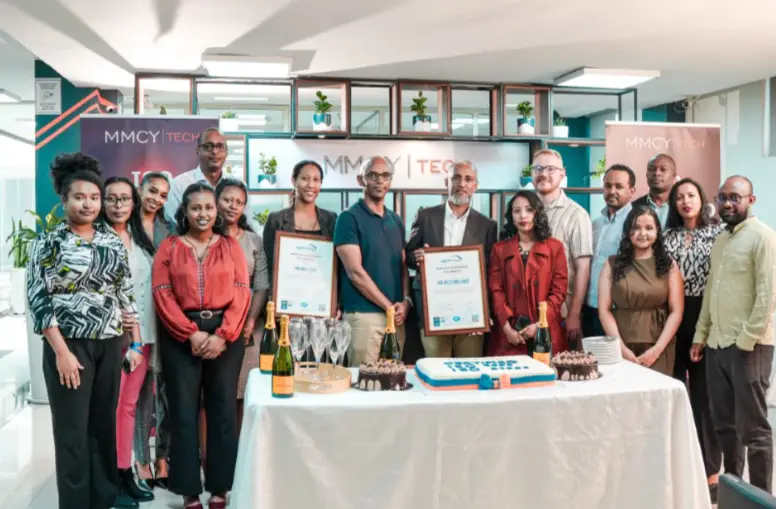
We’re so excited to share a huge milestone—MMCY is now officially ISO certified! That’s right. After months of hard work, we’ve earned two of the most respected certifications in the world:
ISO 9001:2015 for quality management
ISO/IEC 27001:2022 for information security
This is a big deal, and here’s why it matters to you.
What This Means
These certifications prove that MMCY meets international standards for:
Delivering top-quality services every time
Keeping your data safe and secure
In short, we’ve put the right systems and processes in place to make sure we’re always getting better, protecting your information, and helping your business succeed.
We’ve Been Working Around the Clock
Getting ISO certified doesn’t happen overnight. It took months of nonstop effort from our entire team. We reviewed every process, improved our workflows, and made sure every piece of our business meets global standards.
This was a full-team effort, and we’re incredibly proud of what we’ve achieved together.
Why This Is Great for Our Clients
Whether you’re working with us on talent placement, tech support, or executive services, these certifications mean:
You can trust our process to be consistent and reliable
Your data is protected to the highest standards
We’re committed to continuous improvement, always working to serve you better
What’s Next?
This is just the beginning. We’re always looking for new ways to raise the bar, and these certifications give us a stronger foundation to build on.
We’re here to help you amplify your team and achieve more, and now we’ve got the certifications to back it up.
Thanks for being part of the journey. We can’t wait to show you what’s next!
26May
At MMCY, evolution isn’t just a goal, it’s a way of working. Today, we’re proud to share a milestone that marks the next chapter in our journey: we’ve officially rebranded from MMCY Tech to simply MMCY.
This isn’t just a name change. It’s a reflection of who we’ve become and where we’re going.
So, Why the Change?
When we started as MMCY Tech, our name made sense. We were focused primarily on technical staffing, placing exceptional engineers and IT professionals in high-impact roles. But over the years, our capabilities and the needs of our clients have grown significantly.
Today, MMCY is a global talent partner. We provide top-tier professionals across a wide range of functions, from Customer Experience and Event Technology to Data Management, Software Development, and Executive Support. Our role has expanded beyond technical expertise into a more holistic approach to talent placement.
By dropping “Tech” from our name, we’re better aligned with the broad, people-centered value we deliver. We connect organizations with the right talent, not just tech talent, so they can grow faster, operate more effectively, and do more of what they do best.
Amplify Your Team. Achieve More.
That’s not just our new slogan, it’s our promise.
“Amplify Your Team. Achieve More.” captures the heart of our mission: empowering clients with agile, scalable access to exceptional talent. Whether you’re navigating rapid growth, launching a new product, or streamlining operations, MMCY is your partner in performance.
Our global network of over 500 skilled professionals is ready to plug in and make an impact—seamlessly integrating with your team, wherever you are in the world.
What’s Staying the Same?
Everything our clients have come to expect from us:
A deep bench of skilled professionals across industries like Travel, Financial Services, Pharma, Insurance, and more.
A truly global footprint, with operational hubs in Addis Ababa, Dubai, and New York City.
Fast, flexible onboarding and a commitment to long-term partnerships built on trust.
What’s Next?
With our new identity, we’re doubling down on what we do best: helping organizations scale faster and smarter with the right people by their side. You’ll see our refreshed branding across our website, social platforms, and communications. But more importantly, you’ll continue to experience the same dedication, service, and excellence that define MMCY.
We’re excited for this next phase, and even more excited to help our clients reach new heights.
Let’s amplify your team, and achieve more, together.
In today’s increasingly digital world, remote teams have become the backbone of many successful businesses. At MMCY, we understand the unique challenges and opportunities that come with managing a remote workforce.
Our expertise in providing tailored solutions, including Level 1 helpdesk support, telemarketing, software development, and event support, positions us well to offer insights into effectively running a remote team. Here’s what you need to know to ensure your remote team operates smoothly and efficiently.
1. Clear Communication Channels
Effective communication is the cornerstone of any remote team. Establishing clear channels for communication helps prevent misunderstandings and ensures everyone is on the same page. Utilize tools like Slack, Microsoft Teams, or Zoom for regular check-ins, team meetings, and instant messaging. At MMCY Tech, we recommend setting up structured communication protocols, including daily stand-ups and weekly reviews, to keep everyone aligned.
2. Defined Roles and Responsibilities
In a remote setting, clarity is crucial. Ensure that every team member understands their role and responsibilities. This not only helps in accountability but also ensures that tasks are completed efficiently. Create detailed job descriptions and use project management tools like Asana, Trello, or Monday.com to assign and track tasks.
3. Leveraging Technology
The right technology can make or break your remote team. Invest in reliable tools and platforms that facilitate seamless collaboration. Whether it’s using cloud-based solutions for data storage and sharing or specialized software for project management, the right tech stack is essential.
4. Fostering a Collaborative Culture
Building a sense of community is essential for remote teams. Encourage collaboration and camaraderie through virtual team-building activities and social interactions. Regularly scheduled virtual coffee breaks or team-building exercises can help in fostering a positive team culture.
5. Focus on Results, Not Hours
One of the significant advantages of remote work is flexibility. Rather than focusing on the number of hours worked, concentrate on the results. Set clear goals and KPIs (Key Performance Indicators) to measure performance. This approach not only boosts productivity but also empowers employees to work in a way that best suits them.
6. Providing Continuous Training and Development
Remote teams should have access to continuous learning opportunities. Invest in training programs that enhance skills and keep your team updated with the latest industry trends. At MMCY, we have a department dedicated to this. Our learning and development team prioritizes the professional development of our employees to ensure they are equipped to meet the evolving needs of our clients.
04Mar
We live in an age where technology has made the workplace more efficient. There are laws that protect employees better than ever. And companies are offering benefits more generously. But employee dissatisfaction is at an all-time high.
British railroad workers held a 24-hour strike on June 21st. Similarly, airport workers like security guards, baggage handlers, and other staff were on strike in Paris, France. Nurses have been protesting in Zimbabwe.
The Great Resignation refers to the substantial number of people quitting their jobs, primarily due to the COVID-19 Pandemic and its aftermath.
But what are some causes of the Great Resignation?
Major Causes of The Great Resignation
A number of factors contribute to the mass exodus of “The Great Resignation “
1. Employees Feeling Undervalued
Workplaces have come to treat employees as expendable, leading to the uberization of many professional fields. Workers do not feel valued anymore, but these protests’ effects on businesses are one way to discount that idea. The lack of appreciation at work plays a massive role in why employees want to leave their jobs.
2. Workplace Relationships
Most people spend most of their days at work and are bound to be affected by the relationships they form. Poor relationships with coworkers and management play a part in this influx.
3. Feeling Stuck
The feeling of stagnation also influences why employees want to leave a particular work environment. For example, if staying at the company doesn’t lead to growth in their career, they’ll decide to go and look elsewhere.
The Value of Employee Satisfaction
Companies with a highly satisfied workforce generally have happier customers
Employee satisfaction refers to the overall contentment of employees with their work, experience, and compensation, as well as their company’s policies, management, and work environment.
It’s crucial to highlight employee satisfaction as a focal point because it’ll ensure better performance and employee retention. Satisfied and happy employees are more likely to perform and do better at their jobs. This also means that they’ll be more productive, and that’s a benefit to the company.
In addition, it helps with employee retention. If employees are happy, they curate a positive work environment around them and are more likely to stay within a company. Several studies also show that employee satisfaction could make companies more profitable.
So how can companies keep their employees from leaving while maintaining office morale?
So how can companies keep their employees from leaving while maintaining office morale?
Tips for Employee Satisfaction and Retention
Employee satisfaction should be the goal of every company. But how do you know if your workers are happy?
1. Foster Good Workplace Relationships
Employees need recognition for their work. When an employer ignores accomplishments, employees seek appreciation and value elsewhere. According to OfficeTeam’s study, 66% of employees say they would “likely leave their job if they didn’t feel appreciated.
Simple things like showing employees respect and providing them with proper compensation can go a long way. Additionally, we’ve seen that the work environment is a considerable determinant of employee satisfaction. Beyond a visually stimulating working area, good workplace rapport between employees, managers, and CEOs is vital.
One way to foster this is to have company-wide get-togethers where everyone can interact virtually or in person. This will allow everyone in the office to get to know each other and communicate, building human connections with the people they are professionally associated with.
2. Encourage Open Communication
It is essential to make employees feel like they have a valued voice and are heard. One way to do this can be by administering a monthly or bi-monthly check-in with employees about what they feel is working in the company and what isn’t.
Feedback is crucial to employee satisfaction, yet many managers may hesitate to provide feedback. A lack of feedback makes employees unsure about the work and effort they are putting in.
Therefore, managers should provide constant feedback. The key is to make sure that the feedback is always constructive. The positive effects of feedback are immense in the workplace. It can build trust, and employee satisfaction, keep the employees motivated, reduce turnover, and ultimately, increase employee satisfaction.
3. Provide Employees with Opportunities for Growth
Giving employees opportunities to build on and develop their skills is a great way to retain and motivate them to perform better.
Helping employees develop their skill sets is also one of the attributes of employee satisfaction. Giving your employees room to develop their skills boosts their job satisfaction and increases work efficiency. This also shows your employees that you care about their career development along with organizational growth.
When employees are rewarded and recognized for their work, it builds employee morale and productivity.
4. Organize Company Retreats and Activities
Company retreats and activities are another great way to keep employees satisfied.
Hosting company activities is something we like to do at MMCY. We organize company-wide activities throughout the work year to support employees and improve morale. For example, we host an annual Christmas party in our Addis Ababa Office.
Our Annual Christmas Party
We also uplift our diverse workforce, celebrating holidays such as Women’s Day by having brunch out of the office and allowing our employees to spend quality time and conversation together while enjoying delicious meals.
Celebrating Women’s International Day on March 8th
Providing opportunities for social interaction is a great way to keep employees satisfied.
Conclusion
At MMCY, we believe we have an obligation to take care of our employees. Our people are the most important part of our company. Therefore, we try to have our workplace culture, policies, and dynamics reflect that. If you’d like to work with us, check out our latest job postings on our MMCY Talent website.
However, as more and more businesses choose to outsource to Asia, the outsourcing markets are quickly becoming saturated. It seems like the trend in outsourcing destinations is changing. Many companies are taking their business to a new continent – Africa.
Africa’s fast-growing population and markets are presenting immense opportunities for businesses. Foreign companies are flocking to do commerce in Africa. And guess what? They’re succeeding. For example, South Africa is now the third emerging BPO destination, competing with the likes of India. Africa will become the world’s next great manufacturing center as industries shift from Asian markets to lower-cost regions.
Here at MMCY, we have over fifteen years of experience. We are pioneers in the outsourcing industry in Ethiopia, so we might know a thing or two about outsourcing. In this article, we will look at some of the factors that help make Ethiopia a top talent outsourcing destination.
The Safaricom launch is introducing high-quality network and mobile services through faster internet, high-speed fiber connectivity, and game-changing mobile money services. Internet redundancy will soon be a thing of the past in Ethiopia.
This type of infrastructure improvement is attracting many multinational companies to invest in Ethiopia. All these positive changes are sending out a loud and clear message: Ethiopia is open for business.
And while there is no doubt that these infrastructure changes are bound to drive companies’ desire to outsource to Ethiopia, they are not Ethiopia’s main asset. What sets Ethiopia apart from all the other countries are the people.
Young and Skilled Talent Pool
Ethiopia’s massive, youthful population is shaping the country as a promising market with immense business opportunities. As of 2023, Ethiopia’s population has exceeded 120 million. Moreover, about 70% of Ethiopia’s population is under the age of 30, indicating a vibrant and youthful demographic, poised to shape the future of the nation and, potentially, the continent.
The quality of young talent in Ethiopia is exceptional, as there is a huge volume of STEM graduates. This younger generation of graduates are tech savvy and have the skills and knowledge to compete internationally. And since university courses in the country are offered in English, graduates from Ethiopia are also fluent in English. However, the stark reality remains that the domestic job market struggles to satiate the ever-increasing demand for employment amongst this burgeoning population.
In an effort to connect these graduates with the international companies, the private sector has established the Ethiopian Outsourcing Association (EOA). Their mission is to drive change in policy frameworks and talent gaps while promoting Ethiopia as an outsourcing destination to the rest of the world, in order to improve the ecosystem for both current companies and new entrants. Some member companies of the outsourcing association are Excellerent, R&D , and Africom Technologies.
International companies that turn to Ethiopia for their outsourcing needs will not only be creating jobs on a continent that needs it, but they will also be giving the talent a chance to learn and perfect marketable skills.
Affordable Prices
Not only is there a massive supply of labor in Ethiopia, but the lower wage rates make it cheaper than in most parts of the world. Ethiopia offers more affordable prices compared to other popular outsourcing destinations like the Philippines and India, so businesses can experience huge cost savings on salary and wages. Companies can also save money when setting-up since the operating costs are cheaper in Ethiopia
However, cheaper doesn’t mean that quality has to be sacrificed. A common concern is that the workforce isn’t as skilled or qualified. But Ethiopia is investing heavily in education and training programs, resulting in a large pool of highly skilled professionals. This means that businesses can find workers with the skills and expertise they need to get the job done right for a fraction of the cost of hiring an in-house team.
Additionally, Ethiopia is offering favorable tax policies that can further reduce costs for businesses. Which leads us to our next point…
Government Incentives
In an effort to increase job opportunities within the country, the Ethiopian government has also been taking steps to encourage the Business Process Outsourcing industry. MMCY has been able to experience immense growth in the last few years because the Ethiopian government has shifted its economic outlook towards building a BPO industry supported by government policy.
The Ethiopian government is adopting policies to attract foreign investors and improve the ease of doing business. They have reduced trade barriers, cut corporate taxes, and strengthened regulatory and legal systems. For example, the government has mandated that the Ministry of Technology create over 2 million tech jobs by 2030, giving as many incentives as possible to ensure that happens.
Such incentives and improved business conditions are attracting more foreign investors and making outsourcing to Ethiopia easier. As a result, a lot of outsourcing companies are beginning to pop up in Ethiopia.
Youth Empowerment and Job Creation
Along with a youthful population, Ethiopia has a high rate of urbanization, and the country is becoming more industrialized and service-based. And while more Ethiopian youth are enrolling in universities, many graduates struggle to find jobs, let alone jobs related to their field of expertise.
One of MMCY’s goals is to bridge that gap by creating more jobs, and so far, we have been successful. Since 2008, we have grown from a small Cvent shop to a talent outsourcing company that provides specialized remote resources that serve as an extension of our client’s team.
We now have over 600 employees and offer a wide range of services in various business sectors. Our team members are our greatest asset and the foundational element for our success. But to sustain our proven track record of success recruiting elite local talent and our ability to scale up our operations, we’ve had to collaborate with the top universities in Ethiopia.
We are partners with academic institutes across Ethiopia to recruit strong candidates with relevant technical knowledge and marketable soft skills into our talent pool. Once candidates become employees, our Learning and Development department offers diverse training programs and curriculums to nurture our young professionals and unleash their true potential.
Economic and Social Benefits: A Symbiotic Growth
The financial implications of outsourcing to Ethiopia extend beyond mere fiscal metrics; they permeate social aspects, affording companies the opportunity to instigate substantial, impactful change. By investing in people, championing education, and fostering skill development within the local workforce, businesses are not merely creating jobs. They are integral players in elevating living standards and driving socio-economic advancements.
Ethiopia is transforming to an attractive location for talent outsourcing. Apart from the economic benefits of conducting business in Ethiopia, companies have the opportunity to enact meaningful change. Thus, by investing in the people, training and educating the local workforce, and creating jobs that are needed, businesses will be improving living conditions.
The future is bright, as evidenced by the young workforce and the drastic improvement in infrastructure. It’s safe to say that Ethiopia is on its way to becoming the next outsourcing hotspot. At MMCY, we make outsourcing as simple as possible. All it takes is 3 steps and 3 weeks. First, we work with you to figure out exactly what you’re looking for and what your business needs are. Then, we will present you with great candidates and then lastly, you will be able to interview them yourself to find the best one.
According to some analysts, “Software development outsourcing market size in 2026 is estimated at USD 618.38 billion, growing from 2025 value of USD 564.22 billion with 2031 projections showing USD 977.04 billion, growing at 9.60% CAGR over 2026-2031.”The modern business landscape is quickly changing, and if you are looking to hop on this trend maybe it is time to consider outsourcing software development. As outsourcing is quickly becoming the new normal, the ability to outsource software development has become an invaluable asset. Outsourcing your software development needs isn’t something to take lightly – but done right, it can yield incredible results for your business.
However, when you go about outsourcing, your agreement with your outsourcing provider should be well-defined in scope, timeline, and cost before any work begins. There’s more than meets the eye when choosing the right partner and achieving successful results. By exploring key strategies and tactics around outsourced software development, you can make informed decisions with long-term benefits for your business.
It is important to note that the process of software development outsourcing can take many forms depending on the needs of each organization. Companies might opt for white-label services which means delegating certain parts of their software development workflow but maintaining control over the end product. Alternatively, they could choose a full cycle model which means external specialists take care of all stages – from gathering requirements to deployment and maintenance support.
All these technical terms and processes might seem a bit complicated at first, but don’t worry we have broken it up into simple and easy to follow steps. In this article, we’ll explore the art of outsourcing software development and show how it can help your business grow.
Assessing Your Needs
The first step when planning to outsource software development is assessing your needs. It’s crucial to decide which team or individual best fits your company’s requirements.
When assessing your needs, you can start by taking stock of what’s working well regarding features and functionality. Then identify areas that aren’t working so well and could use some improvement. Also, make sure to analyze market trends and user feedback to understand the current state of your software product and where it could go next.
We understand that assessing your needs can be confusing, especially if software development is not your core business, which is why at MMCY, we do it for you. We assist you in understanding your technical needs and create detailed specifications explaining precisely what each aspect of the project requires. This ensures everyone understands the scope and timeline needed to complete the job successfully.
Finding A Reliable Provider
Finding a reliable provider to outsource software development is vital for quality and efficiency. However, it doesn’t have to be a daunting task. The first step in finding a reputable outsourcing provider is knowing the type of expertise you need and which software outsourcing company would benefit your project.
Checking references and reviews from past clients can help and making sure their portfolio reflects the same knowledge needed for your project is vital. We’ve have had experience working with multiple clients who have various requirements, allowing us to be flexible to tailor our services to your needs.
Additionally, remember to ask questions about post-delivery support, too – you will want to know that if problems arise during implementation, someone will be available to fix them quickly.
Lastly, code security should be paramount when choosing an offshore vendor. Make sure their systems are up-to-date with all necessary measures in place before giving them access to sensitive data or intellectual property. Taking these extra steps now can save money and headaches in the future.
Selecting the right partner requires time and effort, there is simply no way around it. But getting it right pays dividends in terms of both cost savings and successful outcomes for your business endeavors.
Setting Up The Project
Once you find a reliable provider, the next step is setting up the project. Project setup involves planning and resource allocation to guarantee that the ensuing work is on time and within budget. Getting user requirements right at this stage is critical; being clear about what you want the product to do before committing resources to its development is essential.
Project management systems can help with setting up projects by providing frameworks for task schedules, resource allocations, and other activities associated with running successful software development projects. Many offer comprehensive tools for tracking progress against milestones and goals and automated alerting for when deadlines are approaching or risk levels increase. We recommend using project management software like GitHub projects or Jira.
Finally, having an effective communication strategy between all stakeholders will help keep everyone informed and focused throughout the life of the project. This could include regular status updates, issue resolution processes, or milestone reviews.
With careful planning, outsourcing software development can become a smooth process that yields great results. At MMCY, we adjust how often we have strategic meetings depending on the project type and our client’s needs, giving our clients the option to meet with us daily, weekly, bimonthly, or monthly.
Conclusion
Finding a reliable provider who understands your needs and has experience with similar projects is the key to outsourcing your software development needs. Once you’ve found someone suitable for the job, setting up the project and maintaining quality standards will guarantee everything runs smoothly.
Whether you’re looking for scalability or better access to specialized skill sets, plenty of advantages come from entrusting some aspects of your software development process to external providers.
With MMCY, you can access top-tier tech talent to enhance product development, optimize infrastructure, and achieve business objectives. Contact us today to explore the possibilities for your business with MMCY. No matter the language or framework, we can help.